
The happiest day
June, the season for brides and grooms — and brides and brides, and grooms and grooms - is the perfect time to wonder about Sarah’s wedding, and to continue our reflections on Joy.

“No union is more profound than marriage, for it embodies the highest ideals of love, fidelity, devotion, sacrifice, and family. In forming a marital union, two people become something greater than once they were.”*
from Obergefell v. Hodges, the landmark US Supreme Court decision that granted equality in marriage to same-sex couples.

Hello, Dear Readers,
It’s a delightful ciché: My wedding day, nearly nine years ago, was the happiest day of my life.
Except for the day my daughter was born. Which was nearly three decades earlier.
Okay, so that math proves that I’m not so much of a cliché after all.
The point is that weddings are quintessentially joyful occasions. But even that happiness does not exist in a bubble sealed off from life’s uncertainties and ups and downs. That was certainly true for me:
I’m generally a sensible-shoe type of gal (Keens, Clarks, Børns). But on my wedding day, even in the stiletto heels that poked out from beneath the hem of my gown, I felt as if I were walking on a cloud of love and bliss.
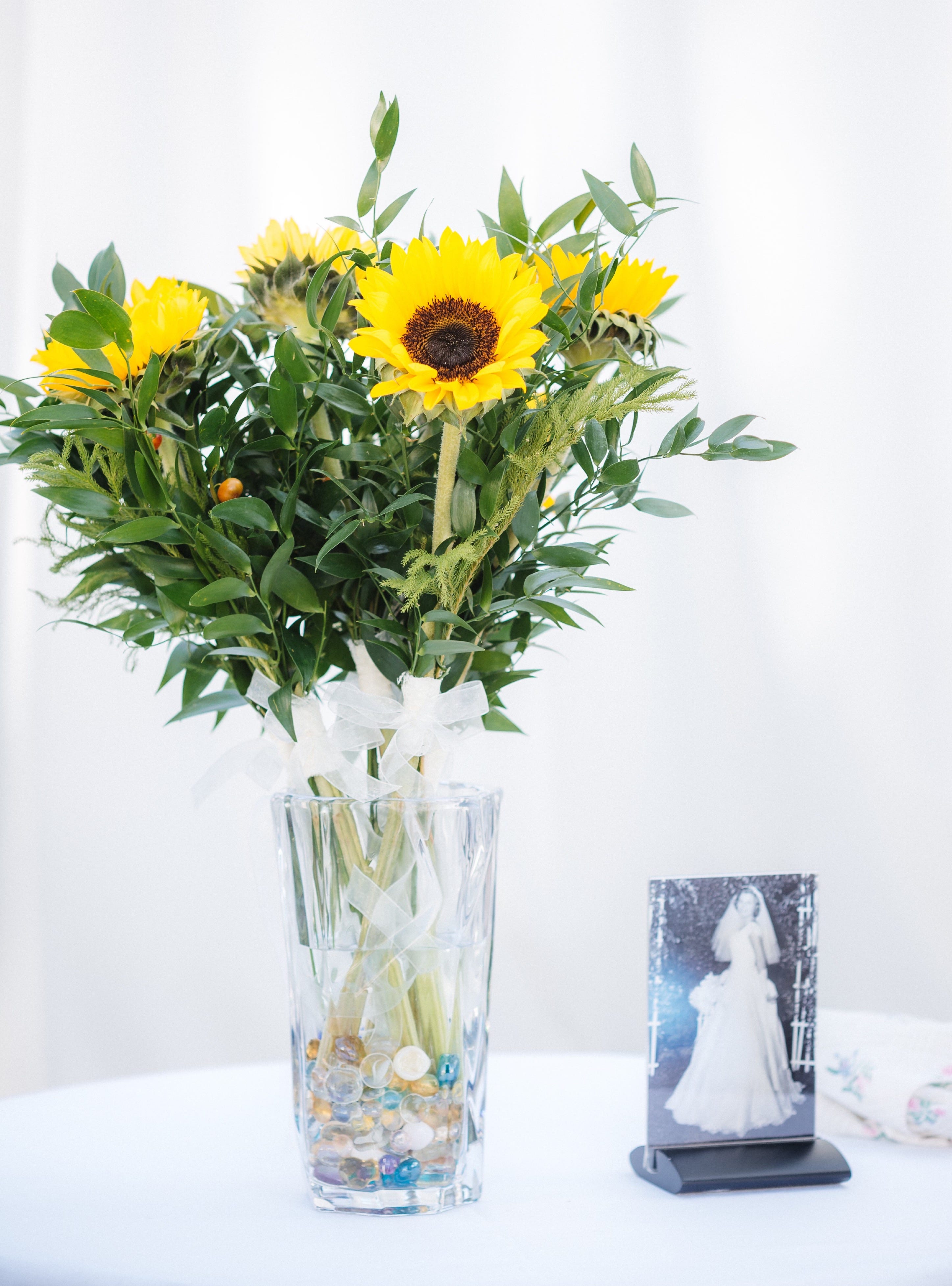
At the same time, my late mother’s photograph was displayed on a table at the edge of the wedding canopy along with a vase of sunflowers, her favorites. She hadn’t lived long enough to dance at my wedding.
Age-old Jewish wisdom honors the ways joy and sorrow rub shoulders, even as rings are exchanged, and cake is eaten.
The minor notes in a joyful song
The song “Hava Nagila,” without which no Jewish wedding feels complete, is another example of this melding of emotions. This ecstatic song inspires exuberant dancing and is often the musical accompaniment for the iconic moment when the newlyweds are seated on chairs and hoisted into the air. But this sonic emblem of a couple’s happiest day has its origins in a time of oppression and injustice.
Hava Nagila began as a wordless melody composed in the 1800s by Rabbi Yisrael Friedman to cheer his young followers. These men and boys had been unwillingly conscripted into lengthy military service (up to 25 years) under an oppressive czarist regime. Friedman had problems of his own, too. He was falsely accused of murder and had to escape the country.
Decades later, cantor and musicologist, Abraham Zvi Idelsohn, added rhythm and lyrics to Friedman’s simple, wordless melody.
The words to “Hava Nagila,” which means “Let Us Rejoice,” are based on Psalm 118:24, which reads:
This is the day the Lord has made, rejoice and be happy in it.
— Psalm 118:24
What could be more on-brand for the Jewish people than an iconic wedding song whose melody was born in a moment of collective despair?
Brokenness at a moment of union
Then there is the glass that is traditionally crushed beneath the bridegroom’s heel during the wedding ceremony. This symbolizes, among other things, the fragility of human relationships and the destruction of the ancient temple in Jerusalem. The shattered glass in a moment of joy also reminds us that life doesn’t neatly divide happiness from its opposite.
Simple happiness isn’t so simple
This nuanced understanding of happiness is embedded in the Hebrew word simcha itself. Simcha means happiness, but it’s more than that, too.
Staying with the theme of nuptials, a Jewish wedding traditionally includes a recitation of the Sheva Brachot, or Seven Blessings, which contain a range of expressions of happiness that are folded into the concept of simcha. Those include:
Joy, exultation, delight, amusement, pleasure, and love.
Rituals that fold mourning and grief into our most uplifting moments remind us that sadness and happiness, like the bride and groom in a sacred marriage of emotion, create a third thing: A fully human experience.
Sarah’s wedding
We are first introduced to Sarah (then known as Sarai) at the end of Genesis Chapter 11, where she is introduced as Abraham’s (Abram’s) wife. In this verse, the Hebrew word for a wife is ishah, the feminine form of ish, meaning man. So really, we are introduced to Sarah as Abram’s woman.
The word kallah, meaning bride, evokes marriage and weddings. But when Sarah is referred to as a kallah, the word means not bride, but daughter-in-law. In Genesis 11:31, she is identified as Terah’s daughter-in-law.
So, we never actually see Sarah as a bride.
And even if we did, the expression of love and marriage 4,000-plus years ago would bear little or no resemblance to today’s rom-com fantasies of happily-ever-after.
But we do know this about Sarah: She was beautiful, laughed often, and spoke of pleasure. So I imagine her wedding would have been filled with joy.
That’s all for now. (But do scroll down just a little farther for some extra joy.)
Until we meet again,


This is one of a series of posts about Joy that taps into a variety of sources, including ancient Jewish wisdom and personal experience.
For more, check out these posts:


Haven’t claimed your JOY-ful gift yet?
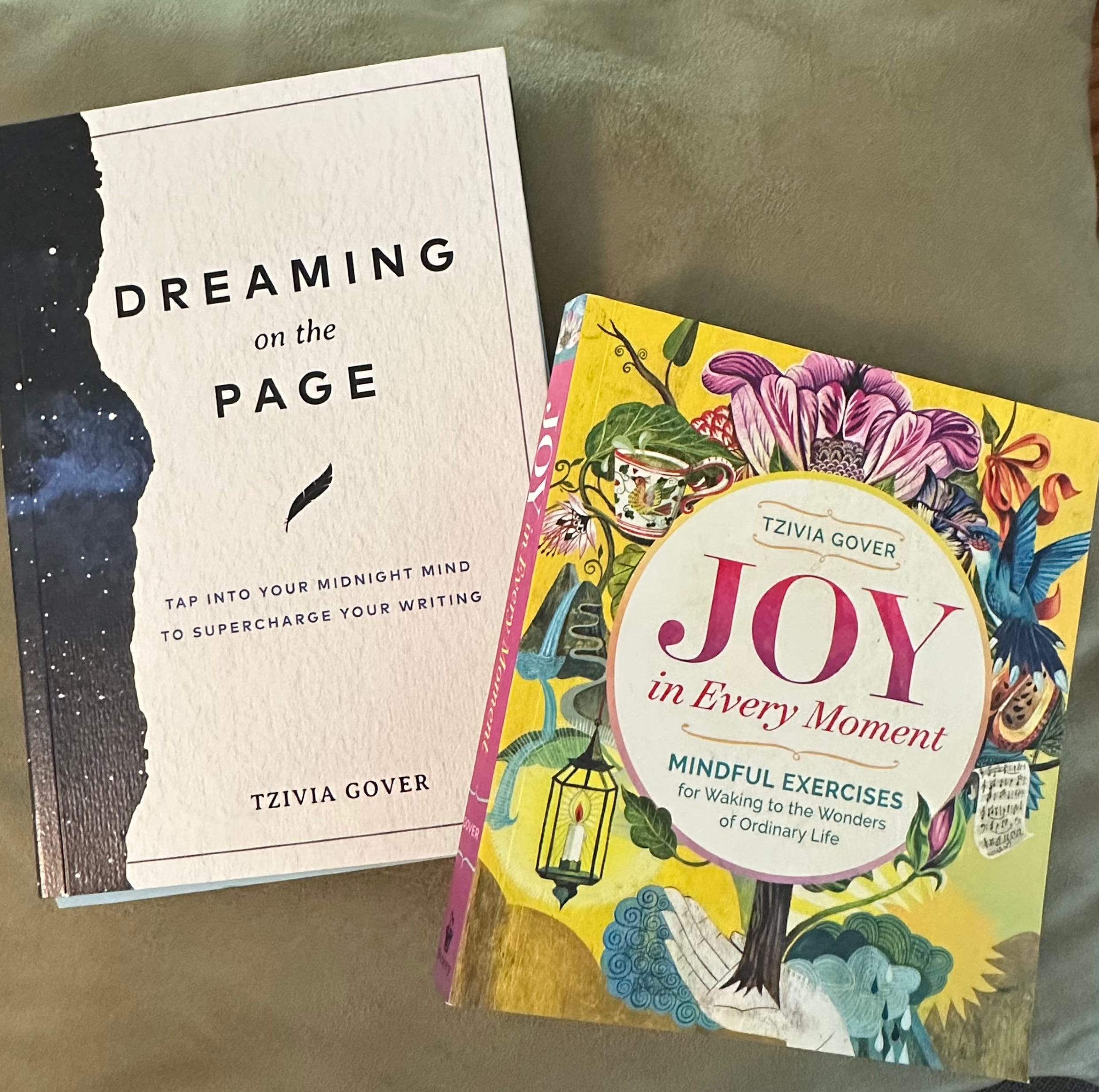
Below, paid subscribers will find a free copy of ‘Five Rules on the Road to Happiness’ from my book Joy in Every Moment.
If you are not yet a paid subscriber, upgrade today to enjoy the bonus.
Here’s how to claim your gift:
